Keeping Your Dog Safe and Happy During Warm Weather: Tips for Hot Days in the UK
- tedshomestay
- Apr 29
- 3 min read
As we are starting to see temperatures in the UK occasionally rising above 20 degrees Celsius, many dog owners face new challenges in keeping their pets comfortable and safe. Warm weather brings opportunities for outdoor fun but also risks like overheating and dehydration. This guide offers practical advice on safe dog walking, spotting signs of heat stress, and alternative ways to keep your dog entertained when it’s too hot for long walks.

Safe Dog Walking in Warm Weather
When the sun is shining and temperatures climb, it’s tempting to take your dog for longer walks. However, dogs are more sensitive to heat than humans and can overheat quickly. Here are some tips to keep walks safe:
Walk early or late: Avoid the midday heat by walking your dog early in the morning or after sunset when temperatures are cooler.
Choose shaded routes: Pick paths with plenty of trees or shaded areas to protect your dog from direct sunlight.
Avoid hot surfaces: Pavements and roads can become very hot and burn your dog’s paws. Test the ground with your hand; if it’s too hot for you, it’s too hot for your dog.
Keep walks shorter: Reduce the length and intensity of walks on warm days to prevent exhaustion.
Bring water: Carry fresh water and a portable bowl to keep your dog hydrated during the walk.
Recognising Signs of Overheating
Dogs can suffer from heatstroke, which is dangerous and requires immediate action. Knowing the signs helps you act quickly:
Heavy panting or difficulty breathing
Excessive drooling
Bright red or pale gums
Weakness or unsteady movements
Vomiting or diarrhoea
Collapse or unconsciousness
If you notice any of these symptoms, move your dog to a cool place immediately, offer water, and contact a vet without delay.
Alternative Enrichment Ideas for Hot Days
When the weather is too warm for long walks, you can still keep your dog mentally and physically stimulated indoors or in the garden:
Puzzle toys and treat dispensers: These keep your dog engaged and reward problem-solving skills.
Indoor training sessions: Teach new commands or tricks in short, fun sessions.
Water play: Set up a paddling pool or sprinkler in the garden for your dog to cool off and play safely.
Scent games: Hide treats around the house or garden and encourage your dog to find them using their nose.
Chew toys: Provide safe chew toys to keep your dog occupied and reduce boredom.
Keeping Dogs Cool and Comfortable at Home
Besides outdoor safety, your dog’s comfort indoors is important during warm spells:
Provide a cool, shaded resting spot away from direct sunlight.
Use fans or air conditioning if available, but avoid cold drafts.
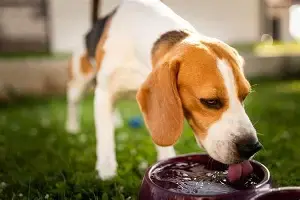
Offer plenty of fresh water throughout the day.
Wet a towel and let your dog lie on it or gently wipe their paws and belly to help cool them down.
🚫What NOT TO DO if you suspect your dog is over heating
1. Don’t put a wet towel over your dog
Covering the body traps heat instead of releasing it. The RSPCA specifically warns that damp towels over the body can worsen overheating.
2. Don’t use ice‑cold water
Very cold water can cause blood vessels in the skin to constrict, slowing heat loss. PDSA and AKC guidance emphasise using cool or tap‑temperature water, not icy water.
3. Don’t force your dog to drink
If they’re panting heavily or weak, forcing water can make them choke or inhale it. Offer water, but never push their head toward it or pour water into their mouth.
4. Don’t keep them in the sun or continue walking
Stopping exercise and removing them from heat is the first priority.
5. Don’t delay cooling while you prepare to travel
Both PDSA and RSPCA stress: cool first, transport second. Cooling immediately improves survival.
6. Don’t leave them alone to “see if they improve”
Heatstroke progresses rapidly and can cause organ failure, seizures, or collapse.
7. Don’t submerge an unconscious, elderly, or medically fragile dog
The RSPCA advises avoiding full-body immersion for dogs who are unconscious, elderly, or have health issues. Use gentle spraying instead.
8. Don’t cuddle or hold them tightly
This traps heat and increases stress, making cooling harder.
✅ Quick reminder: What you should do
Move them to shade or a cool indoor area immediately.
Pour cool tap water over their body (avoid the head).
Create airflow with a fan or breeze.
Offer water but don’t force it.
Place them on a wet towel or put wrapped ice packs between thighs.
Call your vet and continue cooling during transport


Comments